South Sudan presents strong opportunities for foreign investors, international companies, NGOs, contractors, and development partners. Key sectors such as oil and gas, infrastructure, telecommunications, construction, agriculture, logistics, mining, and professional services continue to attract growing interest.
However, entering the South Sudanese market requires proper legal planning. Foreign companies must understand registration procedures, licensing requirements, tax obligations, local participation rules, and sector-specific approvals before commencing operations.
At Legalline Law Chambers, we assist local and international clients with practical legal guidance for market entry, corporate setup, regulatory compliance, and business operations in South Sudan.
Company Registration and Legal Setup
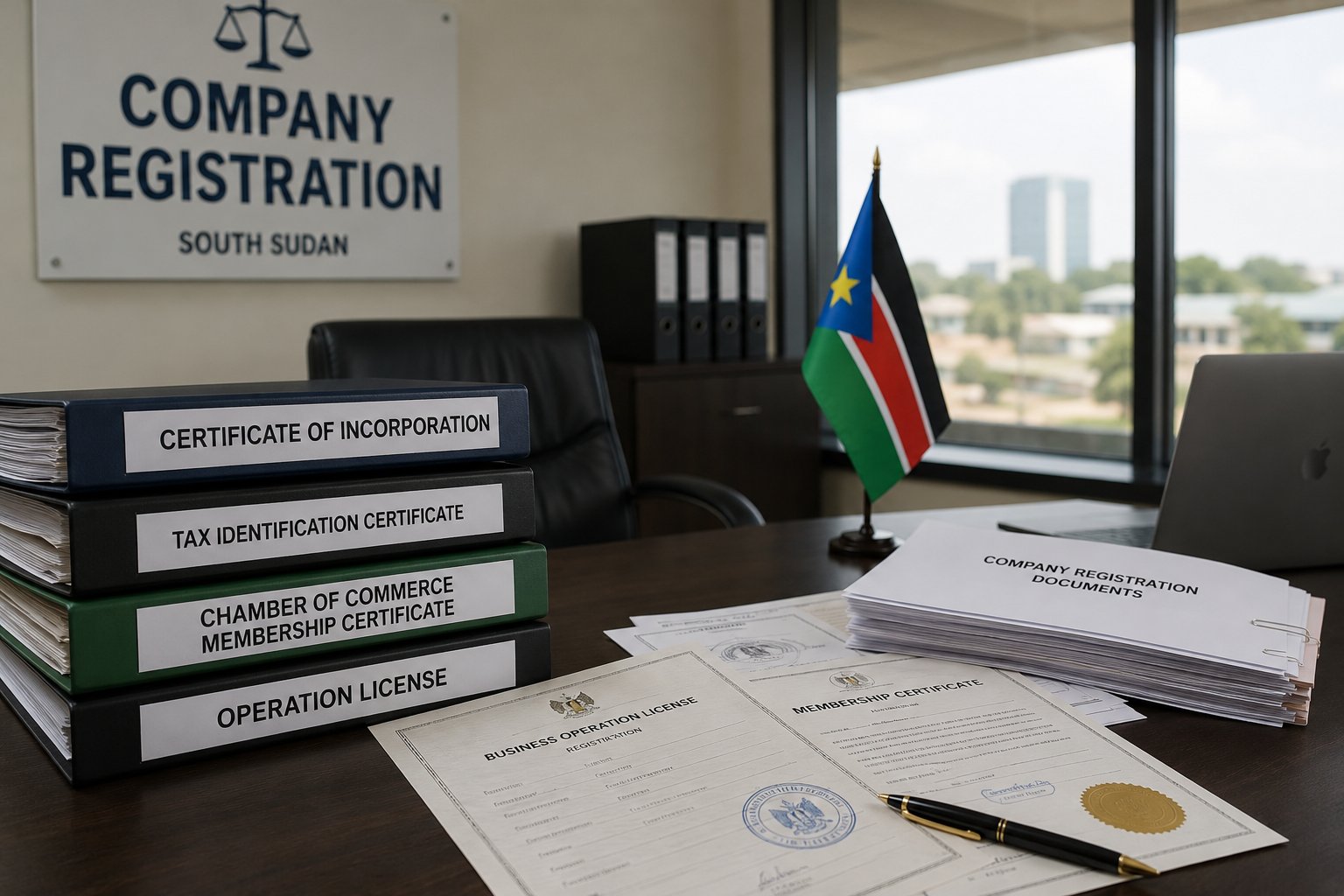
Foreign investors seeking to operate in South Sudan usually need to establish a legal presence through company registration. This process may involve name reservation, preparation of incorporation documents, registration with the Business Registry, tax registration, and obtaining relevant operational approvals.
A properly registered company provides the legal foundation for contracting, opening bank accounts, hiring employees, applying for licenses, and participating in tenders.
Licensing and Regulatory Compliance
Depending on the sector, businesses may need additional permits or approvals from government institutions, regulators, ministries, or local authorities.
These may include:
- Investment approvals
- Sector-specific licenses
- Operational permits
- Environmental clearances
- Local authority approvals
- Tax and customs registration
Failure to obtain the correct approvals may expose a company to delays, penalties, suspension, or contractual risk.
Tax and Employment Considerations
Companies operating in South Sudan must also consider tax registration, withholding tax, corporate tax, employment obligations, and compliance with applicable labour laws.
Foreign companies should review tax exposure before signing contracts, engaging consultants, paying staff, or entering into subcontracting arrangements.
Why Legal Support Matters
South Sudan’s business environment offers opportunities, but procedures may involve several institutions and practical administrative requirements. Early legal support helps investors avoid avoidable delays, structure their operations correctly, and maintain compliance from the beginning.
Conclusion
Doing business in South Sudan requires more than registration. It requires legal structure, regulatory awareness, tax planning, and proper documentation.
Legalline Law Chambers supports foreign investors and companies with reliable legal advice, corporate registration, licensing, tax guidance, and regulatory compliance services.


 Corporate & Commercial Law