 Regulatory Compliance
Licenses and Permits for Large-Scale Projects in South Sudan
Key legal requirements for obtaining licenses, permits, and regulatory approvals for major projects in South Sudan.
Read More
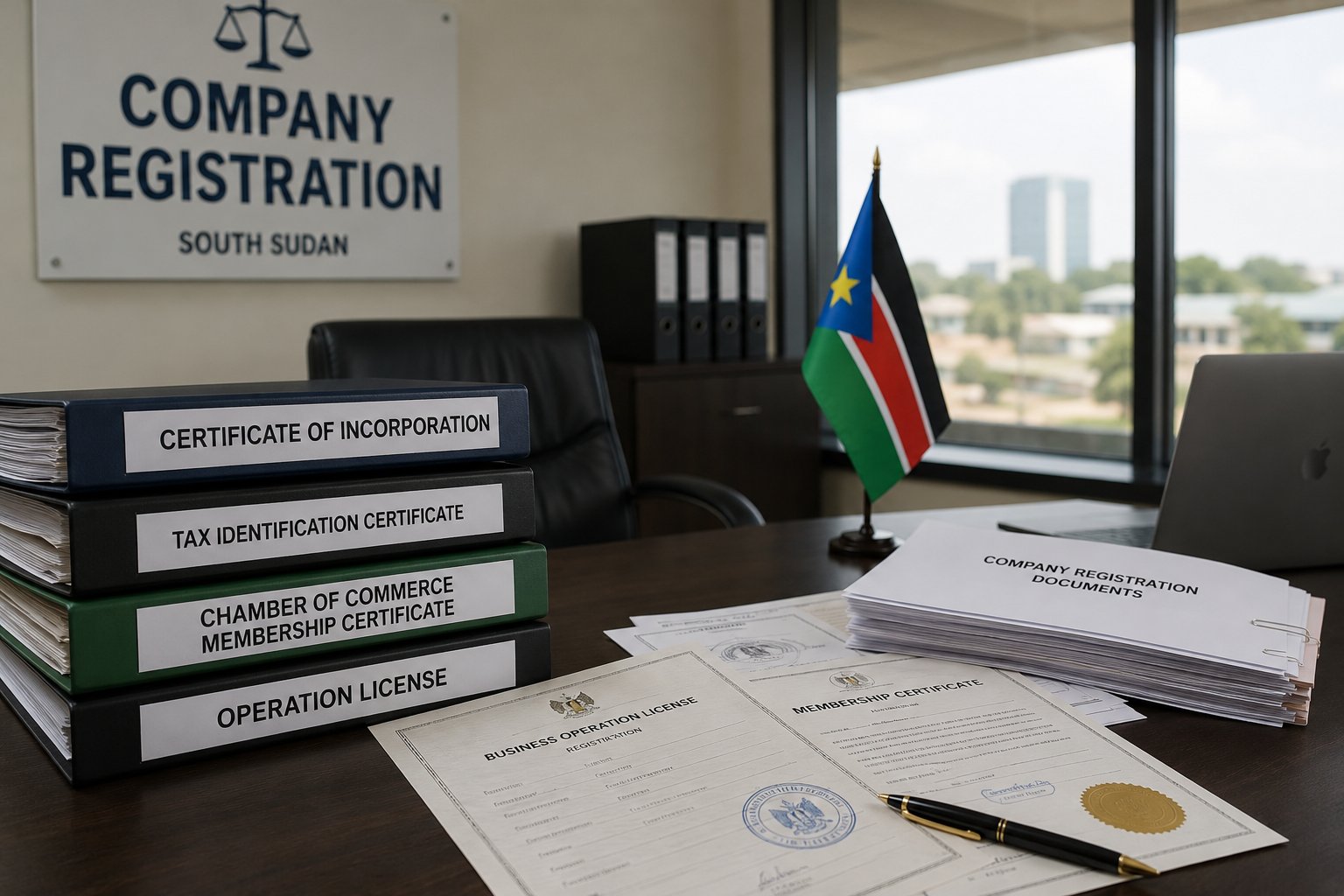
Starting a business in South Sudan does not end with company registration. For many businesses, incorporation is only the first legal step. Before operations can begin fully and lawfully, a business may also need sector-specific licenses, permits, and certificates depending on the nature of its activities.
This is especially important for companies operating in regulated sectors such as telecom, construction, energy, transport, imports and exports, engineering, financial services, health, education, logistics, and other specialized industries. In many cases, a company may be properly incorporated but still unable to operate, bid for projects, import goods, employ foreign personnel, or provide services unless the required approvals are in place.
At Legalline Law Chambers, we support local and foreign businesses in identifying and obtaining the licenses, permits, and certificates required for lawful operations in South Sudan. We help clients understand the regulatory framework that applies to their business and provide practical legal support to move the approval process forward.
Every business activity does not require the same level of regulation. Some sectors are subject to additional oversight because of their commercial, technical, safety, public interest, or operational implications. As a result, the law or regulatory practice may require a company to obtain special approvals before it can begin or continue operating.
These approvals may come in different forms, including:
Without the required approvals, a business may face delays, compliance issues, restrictions on operations, contractual problems, or difficulties dealing with regulators, project owners, banks, and commercial partners.
A common mistake for many businesses is assuming that once a company is incorporated, it is automatically ready to operate in every sector. In practice, many business activities require more than a certificate of incorporation.
For example, a company may be registered but still require:
This is why legal review at the early stage of a business or project is important. It helps identify which approvals are needed before operations begin.
The exact approvals depend on the business model and sector, but some of the most common categories include the following.
Businesses involved in commercial activity may require trade licenses or related approvals depending on the nature of their operations. This is especially relevant where a company is involved in importation, exportation, distribution, manufacturing, or specialized commercial services.
Foreign investors and project companies may need investment-related approvals depending on the structure of the business, the scale of the project, or the sector involved. These approvals are often important where the business is entering regulated or strategic sectors.
A business is expected to maintain tax compliance as part of its operational legal framework. In practice, tax clearance or tax compliance certificates are often important when dealing with tenders, project contracts, banking requirements, or regulatory processes.
Where a company intends to hire expatriate staff, work permits and related labour or immigration compliance measures become essential. This is particularly relevant for international companies, contractors, technical service providers, NGOs, and project operators.
Some sectors require specific operating licenses before business activities can begin. This often applies in industries such as telecom, energy, petroleum, transport, health, education, media, and specialized technical services.
Construction companies, engineering firms, project developers, and contractors may need project permits, right of way approvals, local authority clearances, site-related permissions, and other implementation approvals before work begins.
Businesses involved in cross-border trade or project-related importation of machinery, equipment, materials, or goods may require customs documentation, trade permits, and sector approvals linked to the goods being brought into the country.
Delays often happen because businesses focus only on incorporation and overlook the wider regulatory requirements that apply to their sector. In other cases, a company may know that approvals are needed, but may not clearly understand:
For project companies and foreign investors, these issues can affect market entry, project timelines, staffing, procurement, importation, and contractual performance.
Obtaining sector-specific approvals is not only an administrative process. It is also a legal and compliance matter. Proper legal support helps businesses avoid mistakes, prepare the correct documents, and respond appropriately to the expectations of regulators and public authorities.
At Legalline Law Chambers, we support clients with:
Our goal is to help clients operate with greater legal certainty and fewer compliance obstacles.
We advise both local and foreign businesses that are establishing operations, investing in projects, expanding commercial activities, or entering regulated sectors in South Sudan. We understand that businesses need practical legal support that goes beyond explaining the law. They need guidance that helps them move operations forward.
Whether the business is a startup, an established local company, an international investor, a contractor, a telecom operator, a project company, or a service provider, the right approvals must be in place to support lawful and efficient operations.
The best time to assess licensing and permit requirements is before the business begins operations or before a project is launched. Early legal advice helps businesses:
A preventive legal approach is often faster and less costly than trying to correct compliance gaps later.
In South Sudan, company registration is only one part of the legal process of doing business. Many sectors require additional approvals in the form of licenses, permits, and certificates before operations can begin or continue lawfully.
For businesses operating in regulated or project-based sectors, understanding and securing these approvals is essential for compliance, operational stability, and commercial success.
Legalline Law Chambers provides legal support to businesses seeking sector-specific licenses, permits, and certificates in South Sudan. We assist clients with regulatory approvals, compliance reviews, supporting documentation, and legal guidance for lawful business operations.
 Regulatory Compliance
Key legal requirements for obtaining licenses, permits, and regulatory approvals for major projects in South Sudan.
Read More Regulatory Compliance
A guide for foreign oil and gas companies on local content, regulatory compliance, and local participation in South Sudan.
Read More Regulatory Compliance
A practical guide for companies seeking visas, work permits, residence permits, and immigration compliance for foreign staff in South Sudan.
Read More Regulatory Compliance
Legal guidance for contractors, investors, and project owners involved in infrastructure and engineering projects in South Sudan.
Read More
Apr 28, 2026